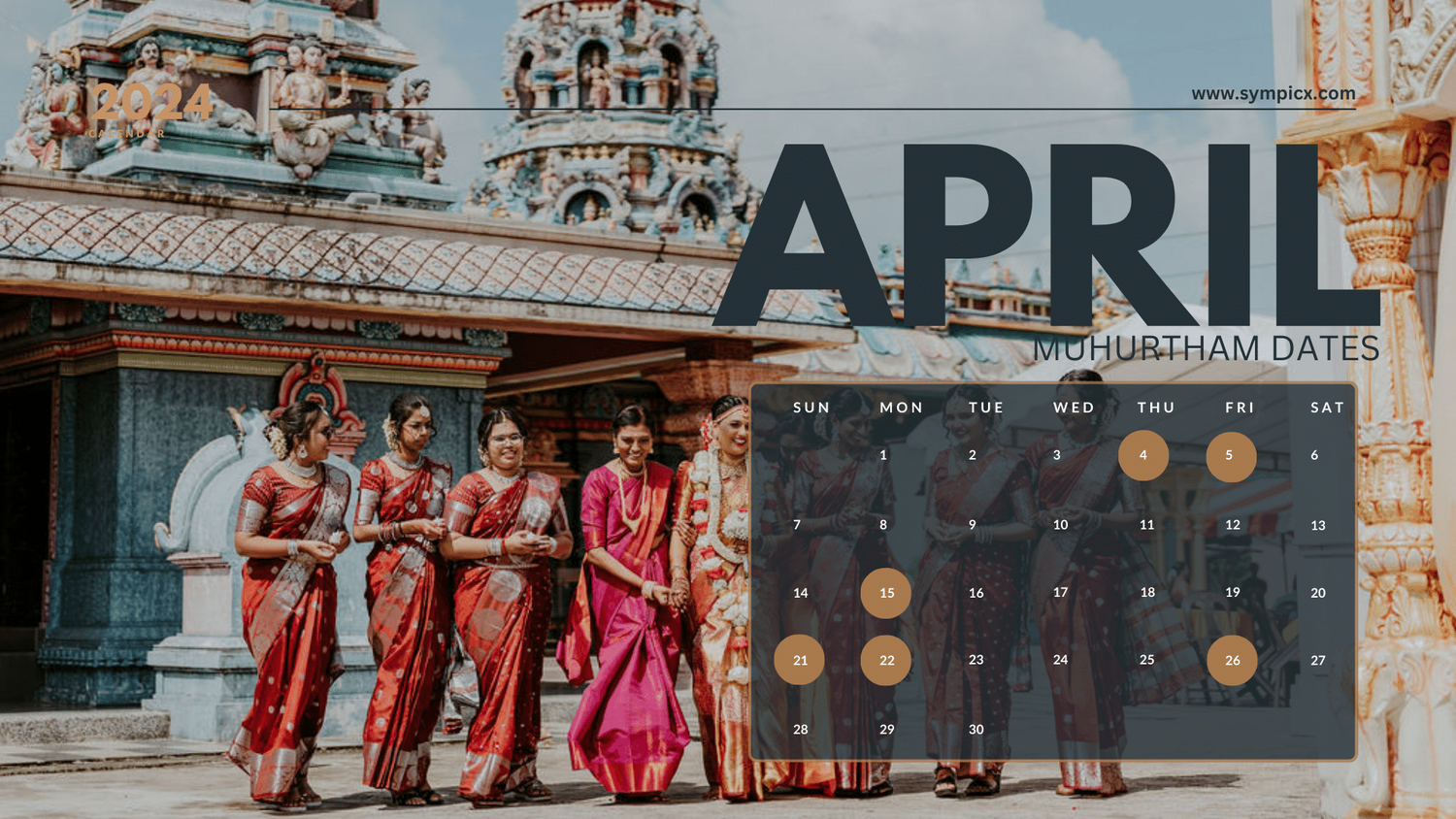
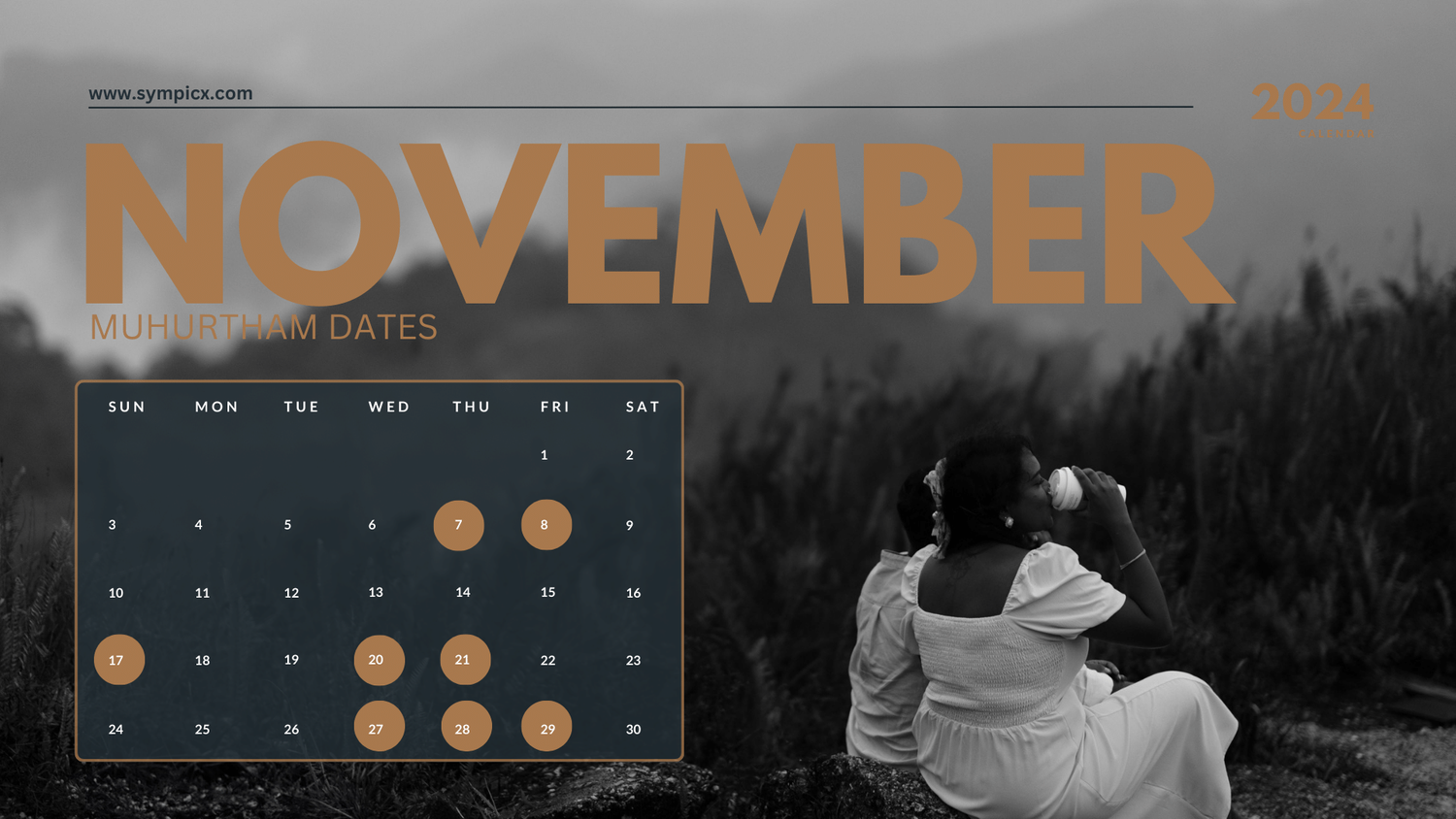
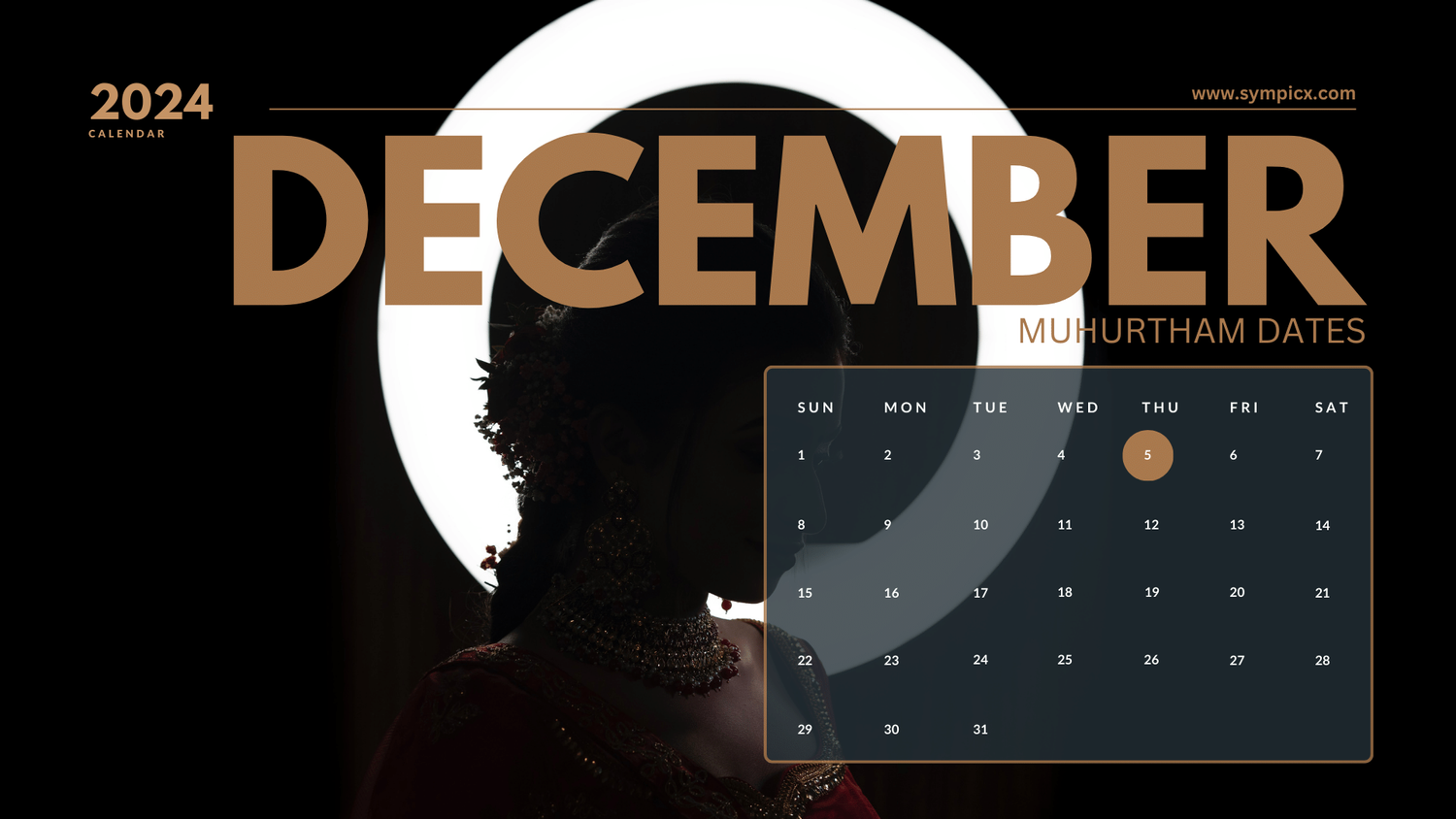
The concept of "muhurat" holds significant importance in the context of Indian weddings. In the Indian culture, a muhurat is the most auspicious and favorable time for performing a particular ritual, ceremony, or event. When it comes to selecting wedding dates, the muhurat plays a crucial role in ensuring that the marriage ceremony takes place during a harmonious and propitious period.
The determination of a muhurat involves a complex amalgamation of astrological, planetary, and traditional considerations. Astrologers and priests weigh various factors to pinpoint the ideal moment for conducting a wedding ceremony, believing that doing so influences the future harmony and prosperity of the couple.
The significance of muhurat in selecting wedding dates revolves around the belief that certain times are more conducive to success, happiness, and the overall well-being of the couple embarking on their marital journey. The alignments of planets, constellations, and celestial bodies are meticulously analyzed to identify periods when cosmic energies are favorable for initiating such a significant life event.
Astrological considerations often include the positions of the Sun, Moon, and other planets, as well as the astrological birth charts of the individuals involved. The goal is to align the wedding ceremony with a time when the cosmic energies are believed to be in perfect harmony, thus setting an auspicious foundation for the couple's future together.
In addition to the astrological aspects, traditional customs and cultural practices also influence the selection of the muhurat for a wedding. Different communities and regions have their own set of beliefs and auspicious timings based on their cultural heritage, and these are often integrated into the process of choosing the wedding date.
The concept of muhurat imparts a sense of spiritual sanctity and divine blessings to the wedding ceremony, as the belief in aligning with favorable cosmic energies is deeply ingrained in the Indian cultural ethos. It adds a layer of symbolism and reverence to the matrimonial union, signifying the union's alignment with the harmony of the universe.
Moreover, the selection of a muhurat for a wedding signifies the acknowledgment of the interplay between the earthly and celestial realms. It underscores the belief that the timing of significant life events, such as marriage, is interconnected with the cosmic rhythms and energies, thus emphasizing the interdependence of the individual and the universe.
From a practical standpoint, the concept of muhurat also serves as a unifying factor for families and communities involved in the wedding planning process. It provides a common framework through which everyone can contribute and participate in ensuring that the wedding takes place at an auspicious time, fostering a sense of collective harmony and shared spiritual beliefs among the participants.
In the modern context, while the significance of muhurat in selecting wedding dates remains deeply rooted in tradition and spirituality, there has been an evolution in the methods used to determine auspicious timings. With the availability of digital astrology tools and services, some couples and families now incorporate a blend of traditional practices and contemporary astrological insights to identify suitable muhurats for their weddings.
In conclusion, the concept of muhurat and its significance in selecting wedding dates exemplifies the intricate connection between astrology, tradition, and spirituality in the context of Indian weddings. By acknowledging the influence of cosmic energies and aligning with auspicious timings, couples and families seek to infuse their matrimonial union with blessings and harmony, adhering to age-old beliefs that continue to shape the intricate tapestry of Indian wedding customs and rituals